 Free Home Healthcare
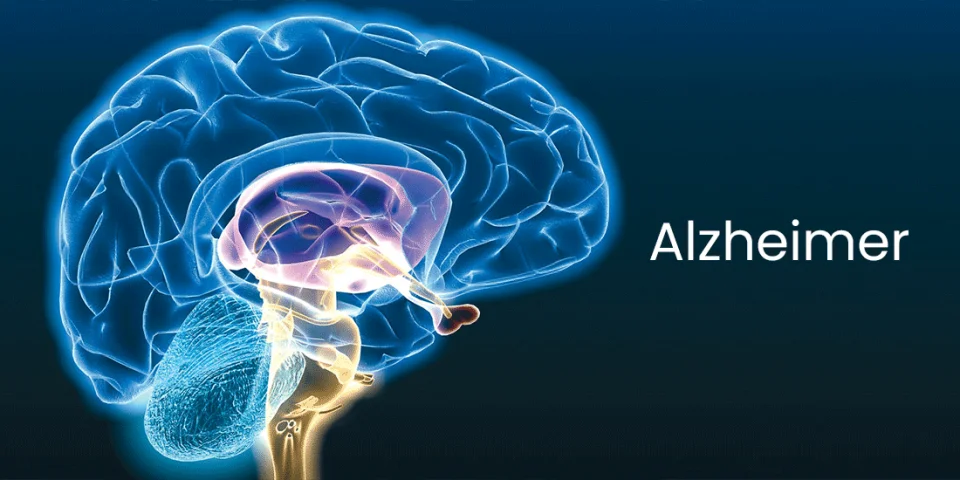
By Margarida Godinho, Nurse at Lxiscare.
Alzheimer’s disease is a progressive neurodegenerative condition that mainly affects memory, thinking and behaviour. It’s the most common form of dementia, responsible for the majority of dementia cases in older adults, and it tends to worsen over time, gradually affecting the ability to carry out daily tasks.
Early symptoms can include forgetting recent events, difficulty reasoning, confusion, mood changes and language problems. As the disease progresses, these symptoms intensify, leading to communication difficulties, spatial disorientation, loss of independence and, eventually, the need for permanent care.
If you’re trying to understand a parent’s diagnosis from abroad, or helping coordinate their care while living in another country, here’s an overview of where the disease, diagnosis and treatment currently stand — and how home support fits in.
There’s still no definitive cure for Alzheimer’s, but a range of treatments and strategies can help ease symptoms, slow the disease’s progression, and improve the person’s quality of life. Alongside medication that targets toxic proteins in the brain, non-pharmacological interventions — cognitive stimulation, physical exercise, balanced nutrition, psychological support and safe environments — are essential for promoting wellbeing, independence and quality of life.
Advances in understanding the disease also reinforce the importance of early diagnosis, which allows treatment to start sooner, symptoms to be managed better, and care to be planned appropriately — supporting both the person living with the disease and their family throughout the process.
Below, we answer common questions about the latest developments in research, diagnosis and care, and about improving quality of life.
What’s new in early diagnosis of Alzheimer’s disease?
Advanced brain imaging technologies, such as PET scans that detect amyloid and tau deposits, are now being used even before symptoms appear. In addition, blood biomarkers — certain proteins associated with Alzheimer’s — have shown potential for earlier, more accurate diagnosis.
Have there been recent developments in drug treatment for Alzheimer’s?
Yes. In 2025, the European Medicines Agency (EMA) approved lecanemab for the treatment of early stages of the disease — mild cognitive impairment or mild dementia — in people without two copies of the ApoE ε4 gene. In July 2025, the EMA also recommended conditional approval of donanemab for the same group of patients. These are the first treatments approved in Europe that act directly on the amyloid plaques associated with the disease, rather than only on symptoms. European approval doesn’t mean immediate access in Portugal: reimbursement and availability through the SNS depend on a separate evaluation by INFARMED, so whether these treatments are appropriate should always be confirmed with the treating neurologist. (Aducanumab, sometimes mentioned in this context, was never approved in Europe and was withdrawn from the market by its own manufacturer in 2024.)
What’s new in non-drug treatments?
Research continues to reinforce the importance of non-medication interventions. Cognitive stimulation programmes, regular physical activity, occupational therapy and management of cardiovascular risk factors have shown promising results in slowing disease progression. Virtual reality technology and digital applications are also being explored as new ways to stimulate cognitive function.
How has genetics contributed to our understanding of Alzheimer’s?
Genetic studies have identified hereditary risk factors, such as the APOE4 gene, along with other genes associated with Alzheimer’s risk. These discoveries help explain the disease’s biological mechanisms and identify people with a higher predisposition, enabling more effective preventive interventions.
What does the future hold for Alzheimer’s research?
The outlook is promising: it includes immunotherapy approaches that help the immune system clear toxic proteins, and gene therapy strategies to correct or modify the genetic processes linked to the disease. Researchers are also studying the impact of environmental and lifestyle factors, and whether combining several preventive measures — diet, physical activity, sleep management and stress control — could help prevent Alzheimer’s altogether.
What are the current challenges in the fight against Alzheimer’s?
Despite progress, early diagnosis still faces accessibility and accuracy limitations. Current treatments don’t cure the disease — they only slow its progression in some cases — which underlines the need for further research toward a definitive cure. The high cost of new therapies and an ageing population also add urgency to finding effective, accessible solutions.
Frequently Asked Questions
Is there a cure for Alzheimer’s disease?
No. Currently approved treatments — including the newest, lecanemab and donanemab — slow progression in early stages of the disease; they don’t reverse it.
Does home care help with managing Alzheimer’s disease?
Yes. Stable routines, supervision and qualified companionship at home are recognised as an important part of care, alongside medical treatment — and can make a real difference for families managing the disease from a distance.
If you feel that the day-to-day routine at home has become hard to manage, or you’re looking for support for a family member with Alzheimer’s, Lxiscare can help. We carry out no-obligation assessments and help families find the most suitable care solution for their situation, wherever you’re coordinating from. Contact us to schedule yours.