 Free Home Healthcare
By Paulo Duarte, Assistive Equipment Specialist at Lxiscare.
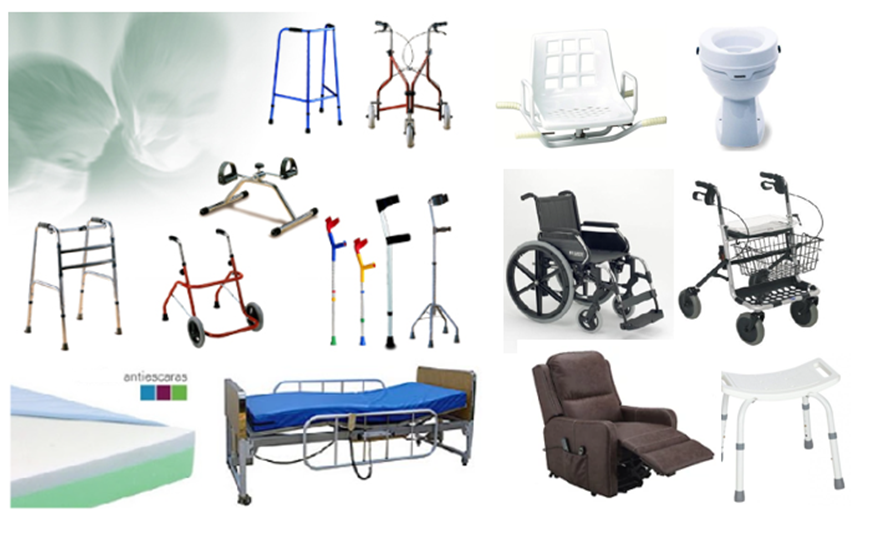
Lxiscare offers a wide range of assistive equipment and support technology designed to improve comfort, safety and independence for seniors living at home.
Ageing naturally brings physical and cognitive changes that can make everyday tasks harder. If you’re trying to judge — sometimes from another country — whether your parent’s home in Portugal is still safe for them, assistive equipment, also known as support technology, plays an essential role in promoting independence and quality of life. Here’s an overview of the main solutions available.
1. Mobility aids
These help with movement and prevent falls, one of the leading causes of accidents at home among older people.
- Canes and crutches: provide support and balance while walking.
- Walking frames: suited for anyone needing extra stability.
- Wheelchairs and mobility scooters: for longer distances or significantly reduced mobility.
- Access ramps and handrails: make moving around the home, and getting in and out of it, easier.
2. Bathing and hygiene aids
The bathroom is one of the highest-risk areas for falls, so adapting it with the right equipment matters.
- Grab bars by the toilet, sink and shower.
- Shower chairs and bath benches for comfort and safety.
- Non-slip mats and handheld showerheads to avoid sudden movements.
- Raised toilet seats to make sitting and standing easier.
3. Rest and transfer aids
Comfort and safety matter just as much when lying down, getting up, or changing position.
- Electric adjustable beds: adjustable height and position, reducing physical strain.
- Pressure-relief mattresses: prevent pressure sores in people with very limited mobility.
- Transfer hoists: help caregivers move the person with less risk of injury.
- Bed supports and ergonomic cushions: improve posture and ease movement.
4. Communication and memory aids
Cognitive or sensory difficulties can affect both safety and social connection.
- Telephones with large buttons and amplified sound.
- Emergency devices (SOS buttons or alarm bracelets).
- Voice assistants (like Alexa or Google Home): helpful for appointment reminders, medication prompts, or controlling lights.
- Digital clocks and calendars with reminders.
5. Aids for everyday household tasks
Technology also makes daily tasks easier, supporting independence.
- Adapted kitchen utensils (thicker, non-slip, easy-grip handles).
- Electric jar and can openers.
- Gas and smoke sensors with sound and light alarms.
- Robotic vacuum cleaners and automatic lighting systems.
6. Monitoring technology
Technology has brought smart solutions for remote monitoring and safety — especially useful when family can’t always be physically present.
- Telecare and remote monitoring systems: direct contact with emergency response centres.
- Smart wristbands that track heart rate, GPS location and falls.
- Home security cameras with remote access for family members — including those checking in from abroad.
- Mobile apps for medication management and health tracking.
Assistive equipment is a key form of support for the autonomy, safety and wellbeing of seniors living at home. Choosing the right equipment should always take into account each person’s specific needs, to ensure comfort and quality of life.
At Lxiscare, we help families find the most suitable solutions, offering a wide range of products and personalised guidance — making everyday life safer and more independent, wherever in the world you’re coordinating from.
Frequently Asked Questions
Does Lxiscare help choose the right assistive equipment?
Yes — our caregivers and technical team can assess the home and recommend the most suitable solutions for each situation.
Is assistive equipment subsidised in Portugal?
In some cases, yes, through Social Security or the National Health Service (SNS), depending on the equipment and the clinical situation. Lxiscare can help clarify the process — including for families navigating the Portuguese system from abroad.